

Damp usually announces itself in one of three ways. A patch on the wall that will not dry out. A musty smell in one room. Black mould creeping along a skirting board or around a window. What happens next is fairly predictable. Someone comes out, runs a meter along the bottom of the wall, and […]
Roof Repair, Roofing Tips and Guides
How To Make Your Roof More Energy-Efficient In 2026: An Ashford Homeowner’s Guide

09
Sep
Sep
Energy bills are going up again this winter. From 1 October 2026, Ofgem’s price cap rises 4% to £1,723 a year for a typical dual-fuel home, and gas alone is up 8%. Your roof is the cheapest place to fight back. About a quarter of the heat in an uninsulated home escapes straight through it. […]

01
Sep
Sep
Lead flashing is installed by chasing a 25mm groove into a mortar joint, dressing the lead into the chase, securing it with lead wedges at 450mm centres, pointing the joint, and finishing with patination oil. Individual pieces should never exceed 1.5 metres in length, laps should be at least 100mm, and Code 4 lead suits […]

17
Aug
Aug
Quick Answer The best repointing mix depends entirely on your property’s age. Using the wrong one can trap moisture and damage the brick, so getting this right matters more than most homeowners realise. Pre-1920s Lime mortar Stays breathable and flexible Inter-war Gauged mix A blend of lime and cement Post-1950s Cement mortar Suits cavity-wall construction […]

12
Aug
Aug
Quick Answer Repointing replaces worn-out mortar between bricks with fresh mortar, restoring a wall’s strength and weatherproofing. It matters because failing mortar lets water in, which leads to damp, structural weakening, and higher repair costs the longer it’s left. It helps with penetrating damp specifically, not rising damp or condensation, and when done properly, lime […]
10
Aug
Aug
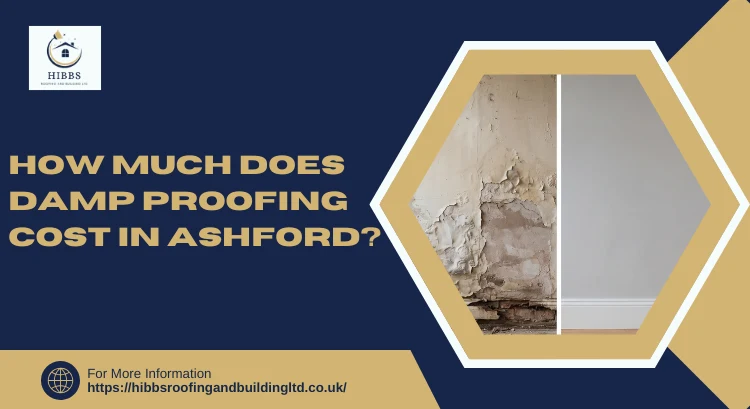
Quick answer Damp proofing costs in Ashford typically range from £150 for a basic condensation fix to £4,500 or more for a full rising damp treatment with replastering. Damp proofing costs depend heavily on the damp type, the size of the affected wall area, and your property’s age and construction. Getting a proper survey first […]
29
Jul
Jul
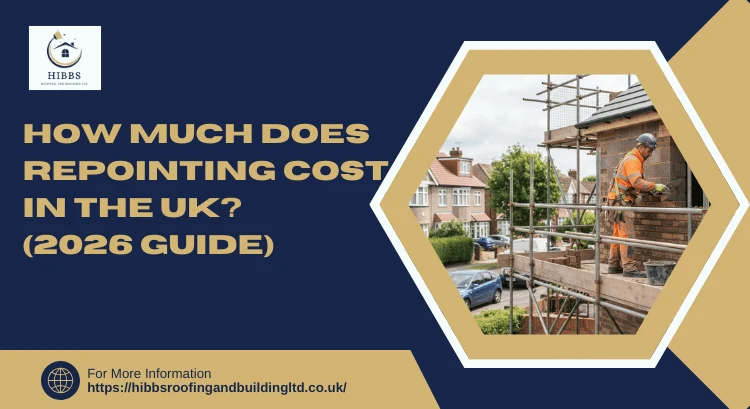
Quick Answer Repointing typically costs £25–£90 per m² for standard cement mortar, rising to £60–£100 per m² for lime mortar on period properties. A full property repointing usually costs £2,000 to £9,000, depending on the property’s size, mortar type, and access. If you’ve spotted crumbling, cracked, or missing mortar between your bricks, you’re probably wondering […]
25
Jul
Jul
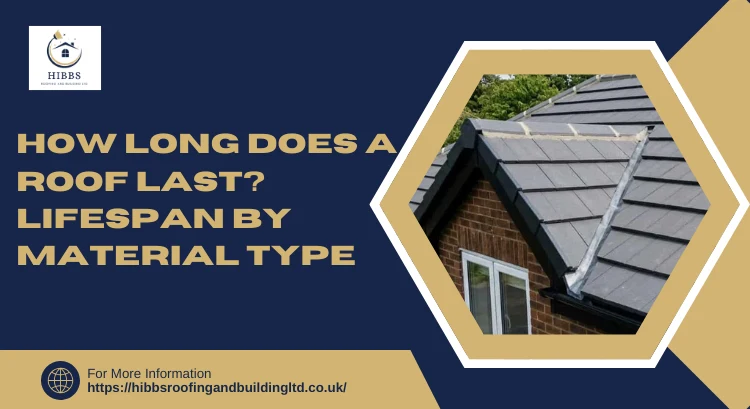
Most UK roofs last 20-60 years, but it depends on the material. Slate and clay tiles can last 100 years, while flat roofs like felt, GRP and EPDM usually last 15-40 years. Good maintenance can add decades either way. If you’re wondering how long a roof will last, the honest answer is: it depends on […]

20
Jul
Jul
Roof repair costs in the UK typically range from £150 to £1,000, averaging around £530 for a standard job, though minor repairs can start at £100 and larger structural work can exceed £2,500. The exact cost depends on the type of damage, the roof size, and where in the country the work is being carried […]

10
Jul
Jul
Roof shingles are individual, overlapping pieces of roofing material, laid in rows so each one sheds rainwater onto the row below and off the roof edge. In the UK, the term is often used loosely to mean roof tiles, but technically it covers a broader family of materials, including bitumen, metal, slate, timber and composite, […]