
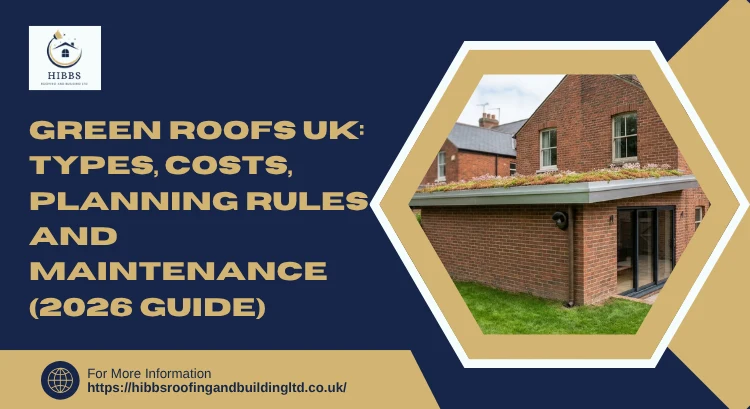
Quick Answer A green roof is a roof covered with living plants, grown on a layered, waterproof build-up. Many green roofs in the UK are lightweight sedum systems on flat roofs. Costs vary a lot by type; planning permission is often not needed for homes, and every green roof still needs checking once or twice […]
Author Archives: Tony HIBBS
08
Oct
Oct
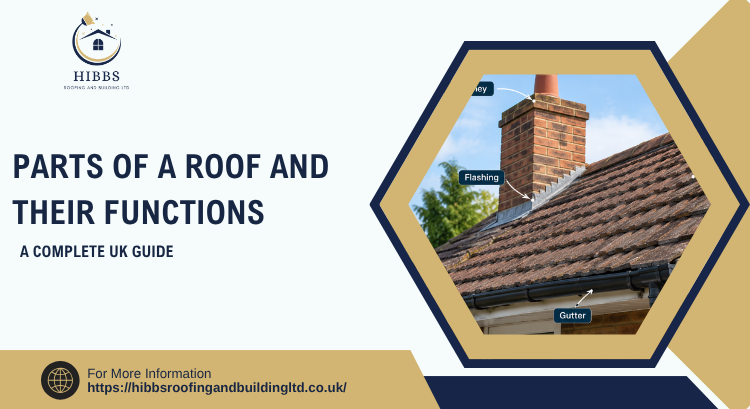
Your roof does far more than sit on top of your home. It is a carefully engineered system made up of many roof parts, and each one has a job to do. When every component works properly, your property stays dry, warm and structurally sound. When one part fails, the damage can spread quickly. Whether […]

07
Oct
Oct
Quick Answer A roof felt repair from inside the loft works for small holes and tears, as long as the surrounding felt is dry and flexible and the tiles above are sound. Clean the area, cut a patch at least 100 mm larger than the damage on all sides, bond it with the right adhesive, […]
02
Oct
Oct
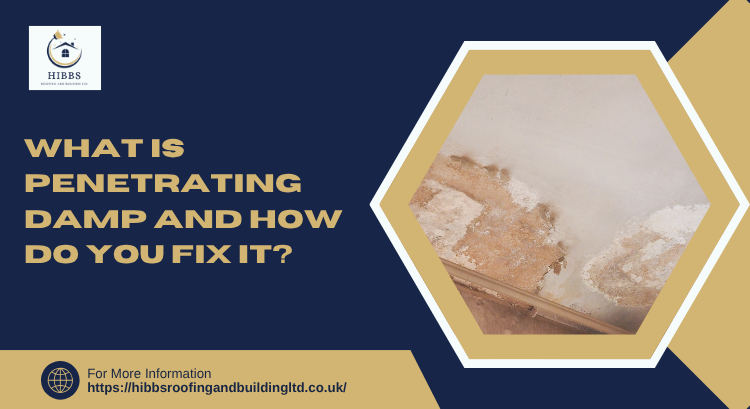
TL;DR What is Penetrating Damp Penetrating damp is water coming in from outside. Rain gets through walls, roofs, chimneys, windows or doors and shows up inside as damp patches. It gets worse after rain. That is the main way to tell it from rising damp (which comes up from the ground) and condensation (which comes […]
30
Sep
Sep
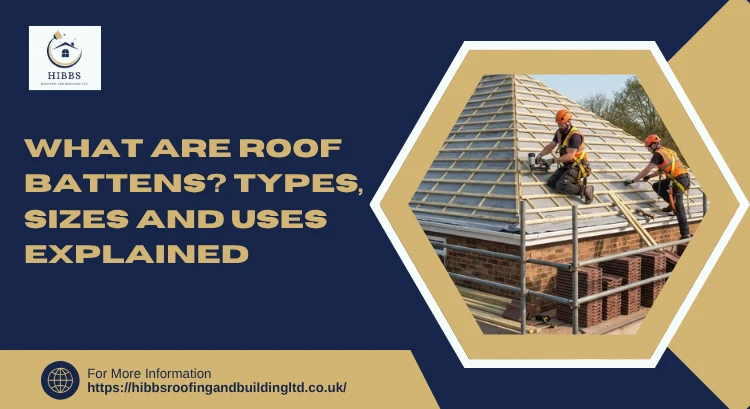
Roof battens are thin strips of treated timber fixed across the rafters of a pitched roof. Tiles or slates are fixed to them, holding the covering in place, setting the spacing between rows, and transferring the load back to the roof structure. In UK homes, roofing battens are normally graded softwood, most often 25x38mm or […]
25
Sep
Sep
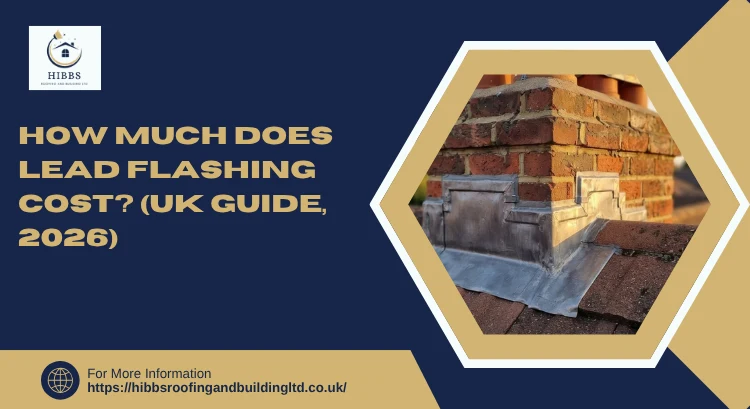
In the UK, lead flashing costs typically run from £150 for a small patch repair up to £2,500 or more for a full roof’s worth of flashing, with a standard chimney job landing between £400 and £1,200. Access and scaffolding, not the lead itself, usually decide where you land in that range. If you’ve spotted a damp […]
22
Sep
Sep
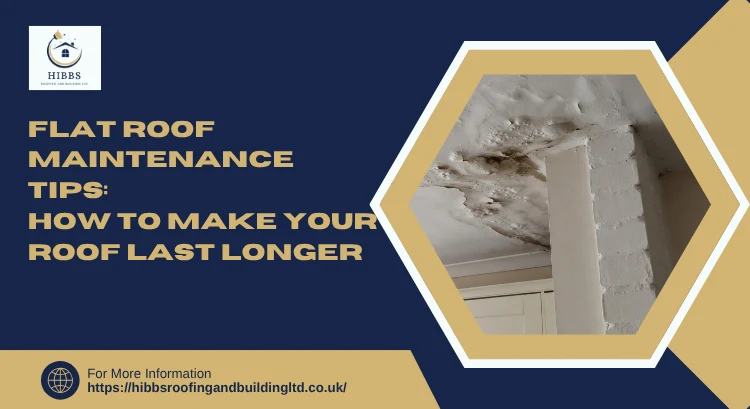
Flat roof maintenance is the simplest way to get the full life out of your roof. Most flat roofs that fail early do not fail because the material wore out. They fail because water sat on them, outlets were blocked, or a small split was ignored until it became a leak. The good news is […]

21
Sep
Sep
A new roof on a typical three-bedroom semi in Ashford costs between £7,000 and £12,000 in concrete tiles in 2026, including VAT, scaffolding and a full strip back to the rafters. Clay tiles and natural slate cost more, and a larger or more complicated roof can go well beyond that. Prices vary because no two […]

18
Sep
Sep
The slate roof installation process involves stripping a roof back to the rafters, fitting a breathable membrane and graded battens, then laying and fixing natural or man-made slates in overlapping courses. Done properly, a slate roof will outlast almost every other covering on a British house. Done badly, it leaks within a few winters. Slate […]
17
Sep
Sep
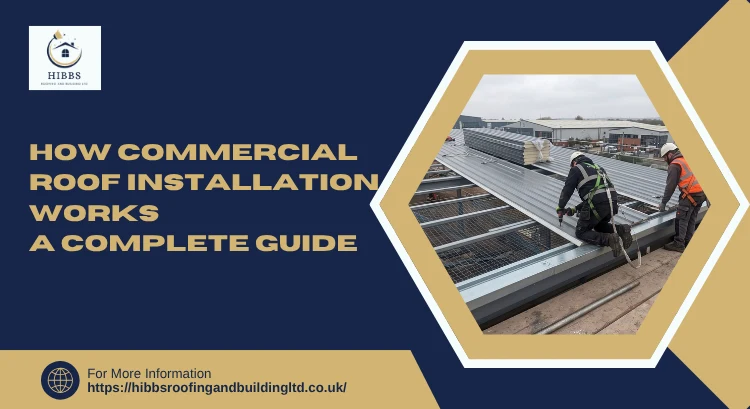
Knowing how commercial roof installation works helps you plan the job, compare quotes and avoid costly mistakes. Your roof protects everything under it: your stock, equipment, staff, and income. When it fails, the cost goes well beyond the repair bill. Commercial roof installation is the design and fitting of a new or replacement roof on […]