
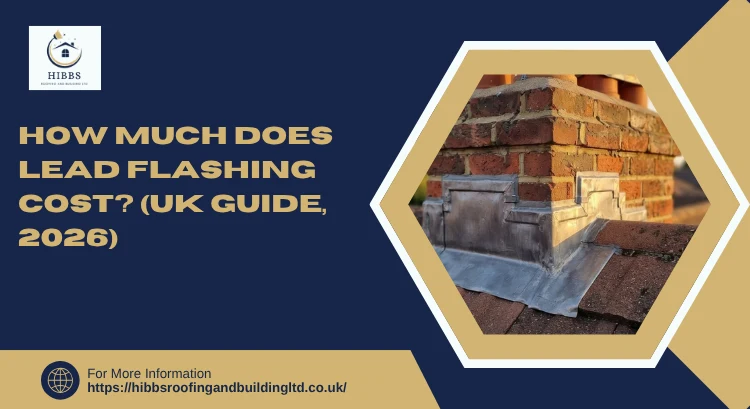
In the UK, lead flashing costs typically run from £150 for a small patch repair up to £2,500 or more for a full roof’s worth of flashing, with a standard chimney job landing between £400 and £1,200. Access and scaffolding, not the lead itself, usually decide where you land in that range.
If you’ve spotted a damp patch near your chimney or noticed the lead around a wall junction has lifted, the first question is almost always the same one. How much does lead flashing cost, and is it a job worth paying a specialist for?
Costs vary widely depending on whether the job is a simple patch or a full replacement, and whether you need scaffolding to reach the work safely. In this guide, we’ll break down what drives that price, what you should expect to pay for each type of job in 2026, and how to spot the signs that your lead needs attention before a small problem turns into an expensive one.
How Much Does Lead Flashing Cost in the UK? (Quick Answer)
Here’s a snapshot of typical lead flashing cost ranges across the most common jobs, based on current UK pricing.
| Job | Typical Cost (2026) |
|---|---|
| Small patch repair or re-dress (no scaffold) | £150 – £350 |
| Patch repair (with scaffold) | £450 – £650 |
| Full chimney flashing replacement (no scaffold) | £400 – £650 |
| Full chimney flashing replacement (with scaffold) | £700 – £1,200 |
| Valley flashing replacement | £500 – £1,200 |
| Abutment or wall flashing | £300 – £700 |
| Full roof perimeter flashing | £1,200 – £2,500+ |
| Scaffolding alone (added on top) | £500 – £1,200 |
These figures include labour and materials but exclude VAT unless your roofer states otherwise. Prices tend to sit slightly higher in London and the South East, including Kent, than in the North of England, so if you’re comparing quotes across regions, factor that in.
Lead Flashing Repair Cost vs Replacement Cost
Not every flashing problem needs a full replacement. Knowing which category your job falls into makes a real difference to the final bill.
How Much Does it Cost to Fix Lead Flashing?
If the lead itself is still sound, thick enough for its job, and has lifted, split in one small area, or come away from a mortar joint, a repair is usually the sensible option. A skilled roofer can re-dress the existing lead, refit it, and repoint the joint, often within a couple of hours. This is the cheapest end of lead flashing repair costs, typically £150 to £350 without scaffolding.
How Much Does it Cost to Replace Lead Flashing?
Replacement becomes the better value option when the lead has thinned with age, cracked in several places, or was under-specified from the start (for example, thin Code 3 lead used where Code 5 was needed). Repeatedly patching a failing lead usually costs more over several years than one proper replacement would upfront.
If your roofer mentions the lead has been “repaired” with mortar or mastic in the past, that’s often a sign the original job was never done to standard, and replacement is the only lasting fix. Full replacement typically costs £400 to £1,200 depending on the size of the job and whether scaffolding is needed, more than a repair, but with a payoff of decades rather than a year or two.
If you’re weighing up a full replacement, it’s worth looking at current lead work services in Ashford so you know what a properly specified job should include.
What Affects the Cost of Lead Flashing
The price you’re quoted depends on several factors, and understanding them helps you judge whether a quote is fair.
Access and Scaffolding
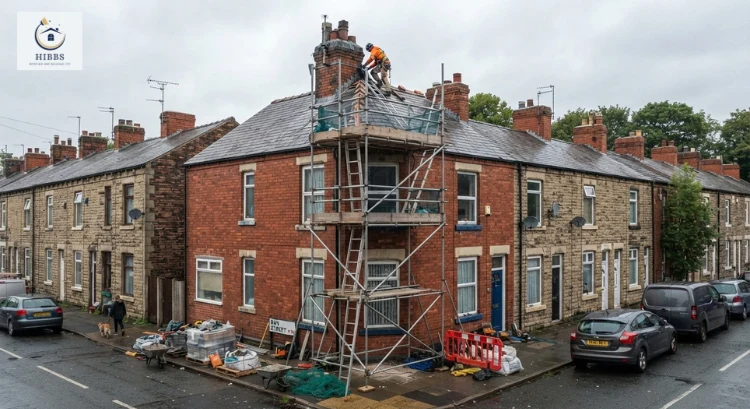
This is by far the biggest factor in how much it costs to replace lead flashing. A single-storey extension roof might need only a ladder. A chimney on a two-storey house, or anything near a ridge, usually needs a scaffold tower or full scaffold, which can add £500 to £1,200 on its own, sometimes more than the leadwork itself.
Working at height is also a legal safety matter, not just a cost one, and any reputable roofer will follow the Work at Height Regulations 2005 when deciding what access a job genuinely needs.
Lead Code and Thickness
Lead sheet is graded by code, from Code 3 (the thinnest, used only for soakers) up to Code 8(heavy-duty, for large gutters and exposed areas). Most domestic flashing uses Code 4 for general flashings and Code 5 for anything carrying water, such as valleys and back gutters. Thicker code costs more but lasts significantly longer, so it’s rarely worth cutting corners here.
The Lead Sheet Training Academy sets the detailing guidance most reputable UK roofers follow when specifying the right code for a job.
Size and Complexity of the Job
A single apron flashing takes a few hours. A full chimney with steps, soakers, and a back gutter takes closer to a full day. A valley lining, which has to be lapped correctly along its whole length, can take one to two days. The more separate details a job has, the more labour it needs.
Property Type
Period and heritage properties, which are common across Ashford and the surrounding Kent countryside, often need lead matched to existing detailing rather than a standard off-the-shelf approach. This can add time and, in some cases, cost, particularly where a property sits in a conservation area.
Region
Labour rates in London and the South East, Kent included, tend to run higher than the national average, generally £200 to £300 per day compared with £180 to £250 elsewhere in England.
Lead Flashing Cost Breakdown by Job Type
Here’s what to expect for each of the most common types of leadwork.
Chimney Flashing
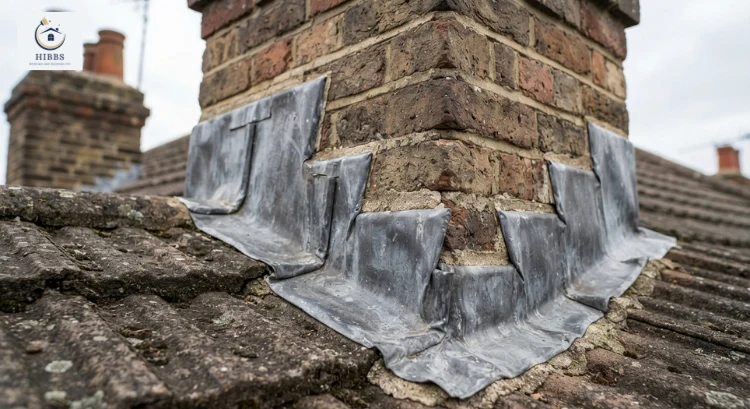
The most common job. A full set, covering the apron at the front, step flashing up the sides, and a back gutter behind the stack, typically costs £400 to £650 without scaffolding, or £700 to £1,200 where scaffolding is required.
Valley Flashing
Lead-lined valleys, where two roof slopes meet, are among the more demanding jobs to get right, since the lining has to be lapped correctly to handle heavy rainfall without overflowing. Expect £500 to £1,200 depending on the valley’s length and pitch.
Abutment or Wall Flashing
Where a roof meets a wall, such as on a lean-to or an extension, flashing typically runs £300 to £700, largely dependent on the length of the run and how easily it can be reached.
Full Roof Lead Flashing
If you’re re-flashing an entire roof as part of wider works, or dealing with a property with extensive lead detailing, total lead flashing replacement can cost £1,200 to £2,500 or more. In these cases, it’s often more cost-effective to have flashing done alongside other roof work rather than paying for scaffold access twice.
Labour and Material Costs Explained
Lead itself is unusual among roofing materials because it’s sold by weight, so its price moves with the metal market rather than staying fixed. As a rough guide, supplied and fitted, lead flashing runs approximately £30 to £50 per metre for straightforward work, though this varies with the code used and the complexity of the detail. On a materials-only basis, trade prices for a 3-metre roll typically range from around £10 to £15 for the thinnest Code 3 lead up to £50 or more for heavier codes, with the commonly used Code 4 and Code 5 sitting in between.
Because lead is a genuine, weight-priced material rather than a cheap add-on, it can make up a larger share of the total bill on flashing-heavy jobs than most other roofing materials do, generally 25 to 40 per cent of the total.
Signs Your Lead Flashing Needs Attention
Catching a problem early usually keeps the cost of lead flashing around chimney repairs down. Watch for:
- Damp patches or staining on ceilings near a chimney or wall junction
- Visible cracks, splits, or holes in the lead
- Lead that has lifted, curled, or pulled away from the brickwork
- White or green staining on brickwork below the flashing line
- Debris collecting in a valley, suggesting poor drainage
If you notice any of these, it’s worth getting it looked at before the next spell of heavy rain, rather than waiting for a full-blown leak.
Can You Repair Lead Flashing Yourself?
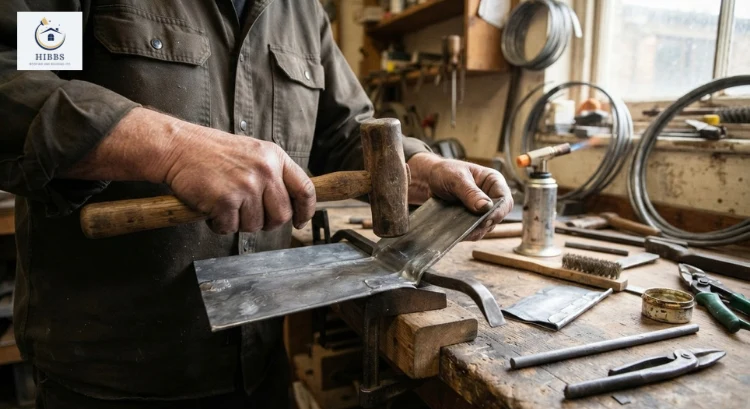
Minor sealing work is technically possible for a confident DIYer, but most flashing sits at roof level, where working safely requires proper access equipment. Lead also needs to be dressed and welted correctly to stay watertight; simply pushing it back into place or sealing it with mastic often fails again within a year or two. So if you’re wondering how much it costs to fix lead flashing yourself versus hiring a specialist, the honest answer is that a DIY attempt often costs more in the long run, once you factor in a proper fix later. For anything beyond a very minor, ground-level job, hiring a specialist is the safer and cheaper option over time.
If you want to understand exactly what’s involved before deciding either way, this guide to installing lead flashing walks through the process step by step.
Getting an Accurate Quote
A fair, itemised quote should clearly separate:
- The lead code being used and why
- Labour, broken down by the details involved (steps, soakers, back gutter)
- Scaffolding or access costs, listed as their own line
- Waste removal and any making-good of surrounding brickwork or tiles
As trusted roofers in Ashford, Hibbs Roofing and Building Ltd offers a free survey across Ashford and the surrounding area, so you can get an honest assessment of whether your job needs a repair or a full replacement before committing to anything.
Ready for a straight answer about your roof? Get in touch for your free, no-obligation survey and find out exactly what your lead flashing job will cost.
Frequently Asked Questions
Does home insurance cover lead flashing damage?
It depends on the cause. Damage from a sudden event, such as a storm, is often covered. Gradual wear and tear or long-term neglect usually isn’t, so check your policy before assuming a claim will succeed.
Is lead flashing worth the extra cost compared with alternatives?
Generally, yes. Lead can last 50 years or more when properly installed, while cheaper alternatives such as flashing tape or mortar fillets often fail within a few years, meaning you pay for the job twice.
How often does lead flashing need replacing?
Correctly installed lead in the right gauge should last several decades, often 40 to 70 years. If flashing is failing much sooner than that, it’s usually a sign the original installation used lead that was too thin for the job.
Can lead flashing work be combined with other roofing jobs to save money?
Yes. Since scaffolding is often the highest single cost, it makes sense to combine flashing work with repointing, tile repairs, or other jobs that need the same access, rather than paying for scaffold twice.
