
![[How to Spot-Rising Damp On Wall In An Ashford-Home]](https://hibbsroofingandbuildingltd.co.uk/wp-content/uploads/2026/07/How-to-Spot-Rising-Damp-On-Wall-In-An-Ashford-Home.png)
The clearest signs of rising damp are tide marks near the base of walls, peeling paint or wallpaper, a persistent musty smell, white powdery salt deposits, rotten skirting boards, and walls that feel cold or damp to the touch. These signs usually appear no higher than a metre above the floor and point to a failed damp-proof course.
If your Ashford home has damp walls, peeling paint, or a musty smell that won’t go away, it could be rising damp. Left unchecked, it can damage plaster, skirting boards, and even your property’s structure. Kent’s older housing stock, especially the Victorian and Edwardian terraces common around Ashford, is particularly prone to this problem once the original damp-proof course breaks down. Knowing how to spot rising damp early and understanding why it happens can help you catch it before the damage spreads. This guide walks you through what to look for.
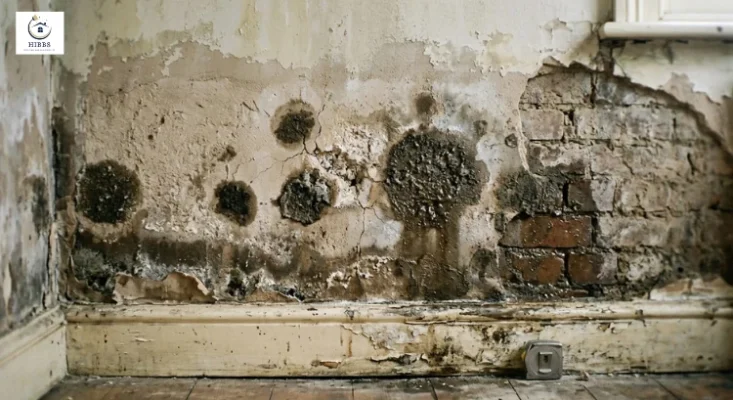
What Are The Causes Of Rising Damp?
- Rising damp occurs when a property’s damp proof course (DPC), the barrier built into the wall near ground level, stops working properly.
- The DPC can fail because it’s damaged, too old, or was never fitted in the first place.
- Once the DPC fails, moisture finds a way through and slowly moves up the brickwork by capillary action, like water moving through a sponge.
- Older homes in Ashford are more prone to this issue, simply because their DPC has had more time to wear down.
- Once moisture reaches the plaster and paintwork, the visible signs of rising damp start to appear.
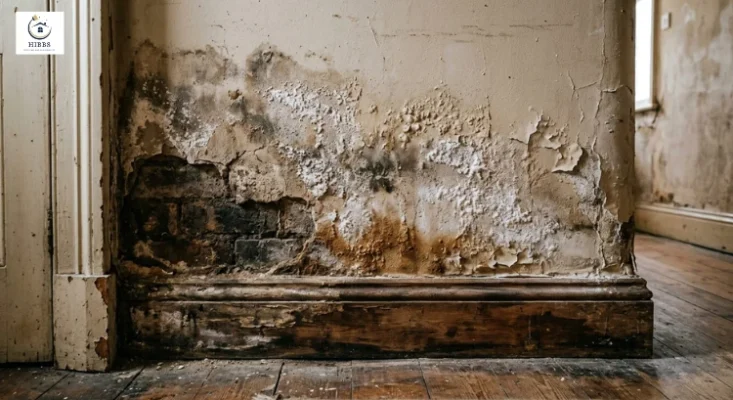
How To Spot Rising Damp In Ashford Homes
Rising damp usually shows up in ground-floor walls, rarely climbing higher than a metre. Here’s what to check for around your home.
Tide Marks on Walls
A horizontal band of discolouration, often yellow or brown, near the base of a wall is one of the clearest signs. It forms as moisture carries salts up from the ground through the brickwork, leaving a stained line where the water eventually stops rising. The mark usually sits below waist height and can look patchy rather than perfectly straight. In some cases you might notice more than one band, if the damp has risen and dried at different levels over time.
Peeling Paint or Wallpaper
Moisture trapped behind paint or wallpaper weakens the bond with the underlying wall. You’ll notice bubbling, flaking, or paper lifting away at the edges, usually starting near skirting level before spreading upwards. In some cases, the paint may feel soft or slightly sticky to the touch. This is often one of the first visible signs homeowners notice, especially on older painted walls.
Damp or Musty Smell
A persistent, earthy smell in a room, even when there’s no visible mould, often indicates moisture within the wall structure. This smell tends to be stronger in enclosed spaces like cupboards, alcoves, or behind furniture pushed up against an affected wall. It can also become more noticeable after rain or in damp weather. If you can’t get rid of the smell even after airing out the room, it’s a good reason to look into it further.
White Powder (Salt Deposits)
A crusty white or powdery residue on brickwork or plaster, known as efflorescence, is caused by soluble salts left behind as damp water evaporates from the wall surface. These salts are drawn up from the ground with the moisture and can keep reappearing even after a wall has been wiped clean. Efflorescence is often one of the earliest visible signs, appearing before any real damage to the plaster. It can also form on skirting boards or nearby brickwork, not just the wall itself.
Rotten Or Damaged Skirting Boards
Timber skirting boards sit close to the ground, so they readily absorb rising moisture and are often among the first things to show damage. Look for wood that feels soft or crumbles when pressed, along with discolouration or a slightly swollen appearance. In more advanced cases, the paint or varnish may also start to lift away from the timber. You may also notice a slight give when you press the wood gently with your finger.
Cold Or Damp Walls
Walls affected by rising damp often feel noticeably colder and slightly damp to the touch compared to the rest of the room. This happens because the moisture within the wall draws heat away, making it harder for the room to stay warm even with the heating on. If you press your hand against the wall and it feels clammy rather than dry, it’s worth investigating further. This coldness is sometimes mistaken for poor insulation, so it’s easy to overlook as a sign of damp.
Important Tips You Shouldn’t Ignore
- In many older Ashford homes, a raised flower bed or driveway laid too close to the wall is the real culprit, even after a new DPC has been fitted.
- Air bricks get blocked more often than people expect, sometimes just from leaves or a coat of paint, so it’s worth checking they’re still clear.
- A slow drip from a downpipe can go unnoticed for months before it starts showing up as damp on the inside wall.
- Rendering or paving laid right up against a wall is one of the most common ways a good DPC ends up bridged without anyone realising. It’s also worth checking mortar joints, since deteriorating pointing can let moisture into the brickwork independently of the DPC; our repointing cost guide covers what that work typically involves.
- Early signs are easy to miss behind furniture or inside cupboards, so it’s worth checking those spots occasionally too.
- A quick specialist check every few years often catches problems long before they show up inside the property.
When Should You Call A Damp Specialist?
If you notice tide marks, persistent musty smells, or crumbling skirting boards, book a professional survey with a damp proof specialist in Ashford. DIY damp proofing rarely lasts, as it doesn’t always address the underlying cause. When choosing the best roofing company in Ashford, look for one with recognised industry credentials, such as PCA accreditation, so you can be confident they’ll confirm whether it’s genuinely rising damp and recommend the right fix for your property.
Conclusion
Rising damp is common in older Ashford properties, but it’s manageable as part of regular property maintenance when caught early. Watch for the signs, understand the causes, and address the damp proof course before the damage spreads. If you’re unsure, a professional survey removes the guesswork. Hibbs Roofing & Building Ltd offer trusted damp proofing services in Ashford and can assess your property and advise on the right rising damp treatment.
Frequently Asked Questions
Can rising damp go away on its own?
No. Rising damp cannot resolve itself because it’s caused by a failed damp proof course (DPC), and the wall keeps drawing up moisture until the DPC is repaired or replaced. Repainting or redecorating alone does not treat the underlying cause.
Is rising damp covered by home insurance?
No. Standard UK home insurance policies exclude rising damp because insurers classify it as a maintenance issue rather than sudden accidental damage. Homeowners are expected to prevent and treat it as part of routine property upkeep.
Can I treat rising damp myself?
Only minor cases. DIY damp-proofing creams can temporarily reduce surface symptoms. Still, they rarely fix the underlying cause without a proper survey and a correctly installed damp-proof course, so results typically last only a few months.
How long does it take to fix rising damp?
A full repair usually takes a few weeks to a couple of months from treatment to redecoration. The DPC injection itself takes a day or two, but the wall needs time to dry out before you do anything else fully.
Does rising damp affect property value?
Yes. Untreated rising damp can lower a property’s value and is commonly flagged during a RICS Home Survey, which can delay a sale or lead buyers to negotiate the price down until the damp is treated.
Is rising damp common in Ashford homes?
Yes. Rising damp is common in Ashford, particularly in Victorian and Edwardian terraces where the original damp-proof course has deteriorated or was never fitted. Local surveyors report it regularly during routine inspections.
